Category: Uncategorized
-
Fallow deer
The dune valleys of Noordwijkerhout have been declared as a nature park and “Silent Area (in Dutch: Stiltegebied)”, meaning an area where it is allowed to walk but not allowed to make noise and to hunt. There is a stable population of fallow deer living in this dune valley and with a little bit of…
-
Big water
The water of the Rio Iguacu crashes into the depth where they will meet with the waters of the Parana. With its 1.320 km through Brazil and along its borders with Argentinia, the Iguacu is one of the major South-american streams, but allegedly it is most famous for its great waterfalls. Making of: This picture…
-
This Koati explores with its sensitive nose the paths and bushes of the Iguacu park. It also investigates the backpacks of the tourists. It is the South-American relative to the racoon of the northern America. They have a shrieking voice but very quiet, and must of the time they are silent. Making of: At the place…
-
Good Old Peripatus
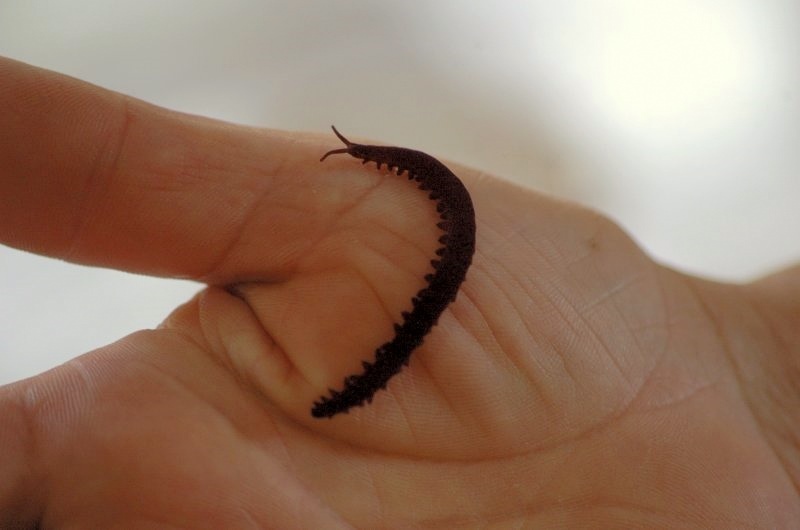
The Brazilian velvet worm (Peripatus acacicoi) climbs with its small stump feet over the palm of Marinha’s hand. It belongs to one of the most ancient species that is still inhabiting our planet. This species is supposed to have lived for more than 500 million years on this earth. Some scientist believe that Peripatus acacicoi…
-
Capybara
This Capybara swims in a fish pond close to the Itaipu dam at the boundary of Brazil and Paraguay. The capybara can swim, dive for several seconds and walk on land. They are the biggest rodents of the world and a typical sight at the water meadows of South America’s great streams, such…
-
The Lizard
This rainbow lizard (Cnemidophorus sp.) explores the rocks on the Iguacu trail for little insects and warms itself up in the afternoon sun. While its upper body is inconspicuous and camouflaged its lower body has bright colors. Its little claws tipped feet remind of bird feet. Making of: On a sunny day in iguacu waterfalls, I…
-
Eueides Isabella
Eueides Isabella Dianasa spreads its beautiful wings in a clearance in Itaipu forest. The shot of the Gulmohar tree with its red flowers serves as its watchtower. Making of: This butterfly was encountered on a guided tour through the Itaipu Biological reserve. The Eueidis butterfly was very frequent in this place although in other places…
-
Capuchin Monkey
A young capuchin monkey is chewing on some branches of this ficus tree. It uses its tail as a fifth limb for when climbing. Making of: The Itaipu Biological Reserve Management offers guided tours to the protected rainforest at the protected forested boundary of Lake Itaipu. Here, capuchin monkeys are often seen. We could hear…
 Michael Emmerich